AI and Software Engineering - The Most Important Question Isn't About AI
Lately, I've noticed AI showing up everywhere in the software industry.
Claude Code, Cursor, MCP, Agents, Vibe Coding... these concepts appear more and more frequently in meetings, emails, and technical discussions.
Interestingly, I am not part of the group that opposes AI.
On the contrary, I use AI extensively in my daily work. I've used it to read code, debug issues, write documentation, review ideas, analyze systems, and experiment with different workflows.
Perhaps because I've spent enough time using it, I've started to see both its strengths and its limitations more clearly.
AI is genuinely powerful.
But perhaps not in the way many people expect.
What Is AI Actually Changing?
The most obvious impact of AI is that it significantly reduces the cost of producing code.
Tasks that once took hours or even days can now be completed much faster.
A UI component.
A simple API.
A data processing script.
A basic test suite.
All of these can now be generated at a speed that would have been difficult to imagine just a few years ago.
However, more code does not automatically mean more value.
In many cases, technical debt can grow just as quickly if there is no proper direction or oversight.
AI Is Not Replacing Engineers
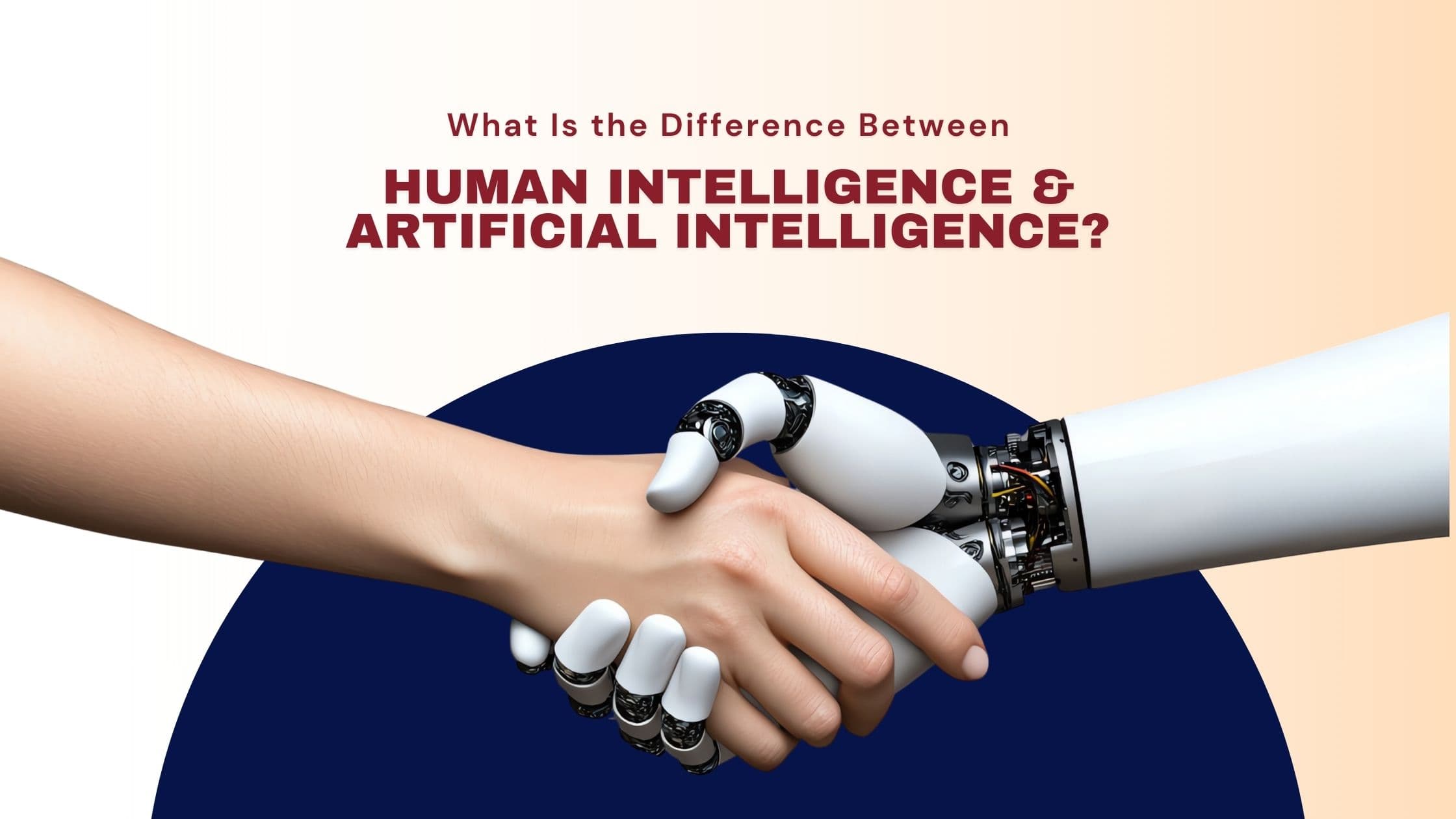
I believe AI is replacing parts of an engineer's work, but not the engineer.
Those are two very different things.
If your work primarily involves:
Turning designs into interfaces
Writing CRUD operations
Generating boilerplate code
Handling repetitive implementation tasks
Then AI is already having a significant impact.
But as you move into higher-level responsibilities:
System design
Managing complexity
Evaluating trade-offs
Understanding business problems
Making decisions with incomplete information
Human judgment remains extremely important.
AI is very good at generating answers.
Humans are still responsible for deciding which questions are worth answering.
The Most Interesting Part
What makes me think is not how fast AI can write code.
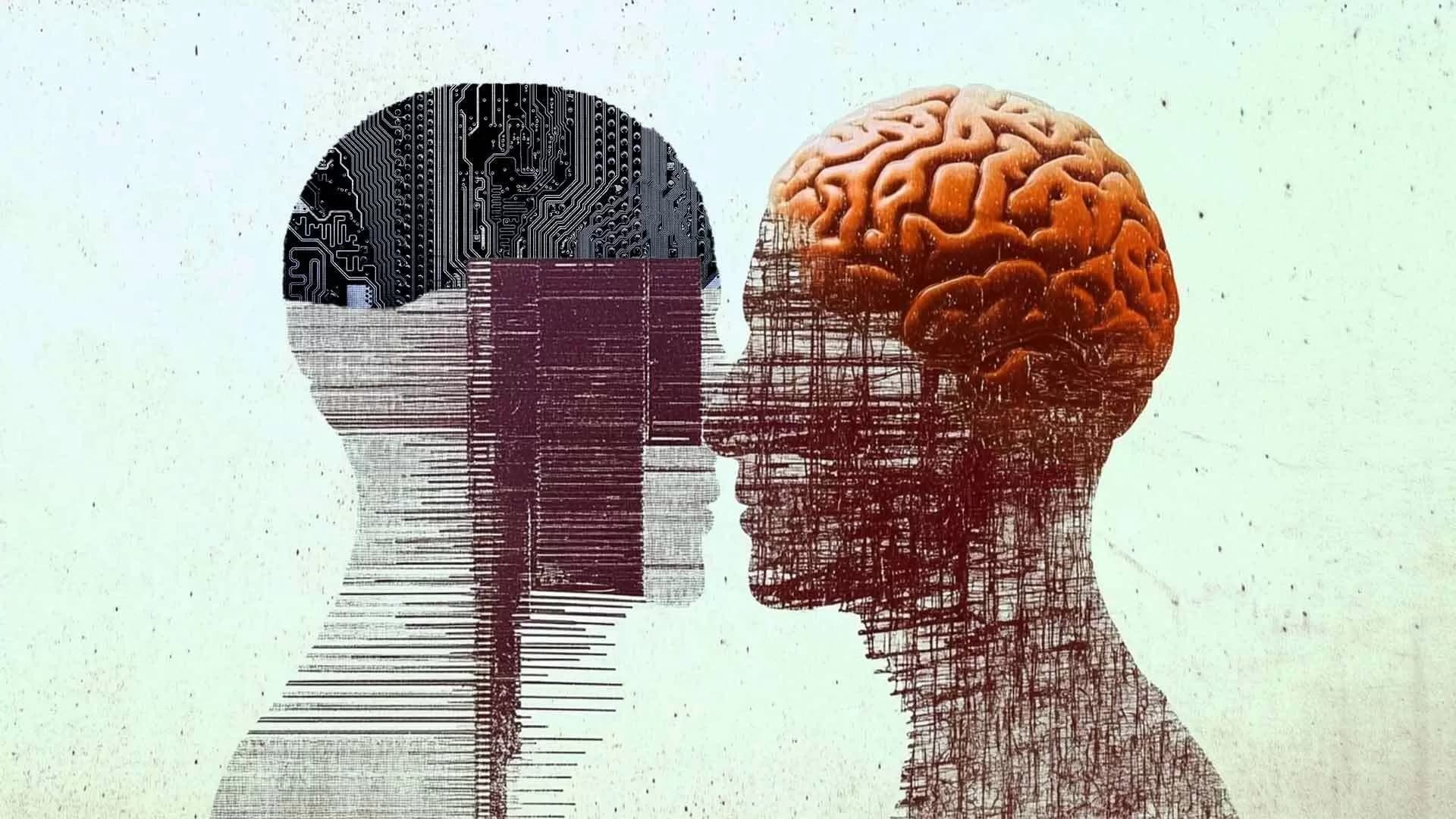
It's how AI is changing the way we evaluate competence.
In the past, building something that looked sophisticated usually required a deep understanding of how it actually worked.
Today, AI can help create products that look surprisingly convincing in a very short amount of time.
As a result, the visible gap between engineers has become smaller.
The gap underneath, however, has not necessarily disappeared.
A system generated by AI still needs someone to take responsibility when it breaks.
A weak architecture remains a weak architecture in the long run.
A poor technical decision is still a poor technical decision, regardless of whether it was made by a human or assisted by AI.
The Software Industry Has Never Been Just About Code
Throughout my years in the industry, I have rarely seen a project fail simply because there wasn't enough code.
More often, projects fail because of:
Weak system thinking
Poor communication
Lack of ownership
Weak decision-making
AI does not solve these problems today.
It helps us produce code faster.
But if we are heading in the wrong direction, moving faster does not necessarily get us to the right destination.
Am I Optimistic About AI?
Absolutely.
I am genuinely optimistic.
I believe AI will continue reshaping software engineering over the coming years and enable entirely new ways of working.
But what makes me optimistic is not AI's ability to write code.
What makes me optimistic is that AI forces us to confront a much more interesting question:
If writing code is no longer the primary competitive advantage, then what is the true value of a software engineer?
Perhaps the answer will become clearer over time.
It is probably not about typing faster.
It is about understanding systems, understanding people, understanding problems, and making sound decisions when nobody has enough information to be completely certain.
And perhaps, somewhat ironically, those are the skills that are hardest to replace - and they happen to be the ones least related to AI.

Comments