Most People Use AI… But Don’t Really Understand What They’re Using
Over the past two years, AI has become everywhere.
From ChatGPT, Cursor to countless AI Agents that can write code, generate content, and even automate workflows.
On the surface, it feels like:
AI is becoming a universal skill - something anyone can use.
But if you look a bit deeper, there’s an uncomfortable truth:
Most people using AI… don’t really understand what they’re using.

AI Is Being Packaged Too Well
In the past, when you used software:
you knew whether you were using Excel or Photoshop
you understood what each tool was good at
Now:
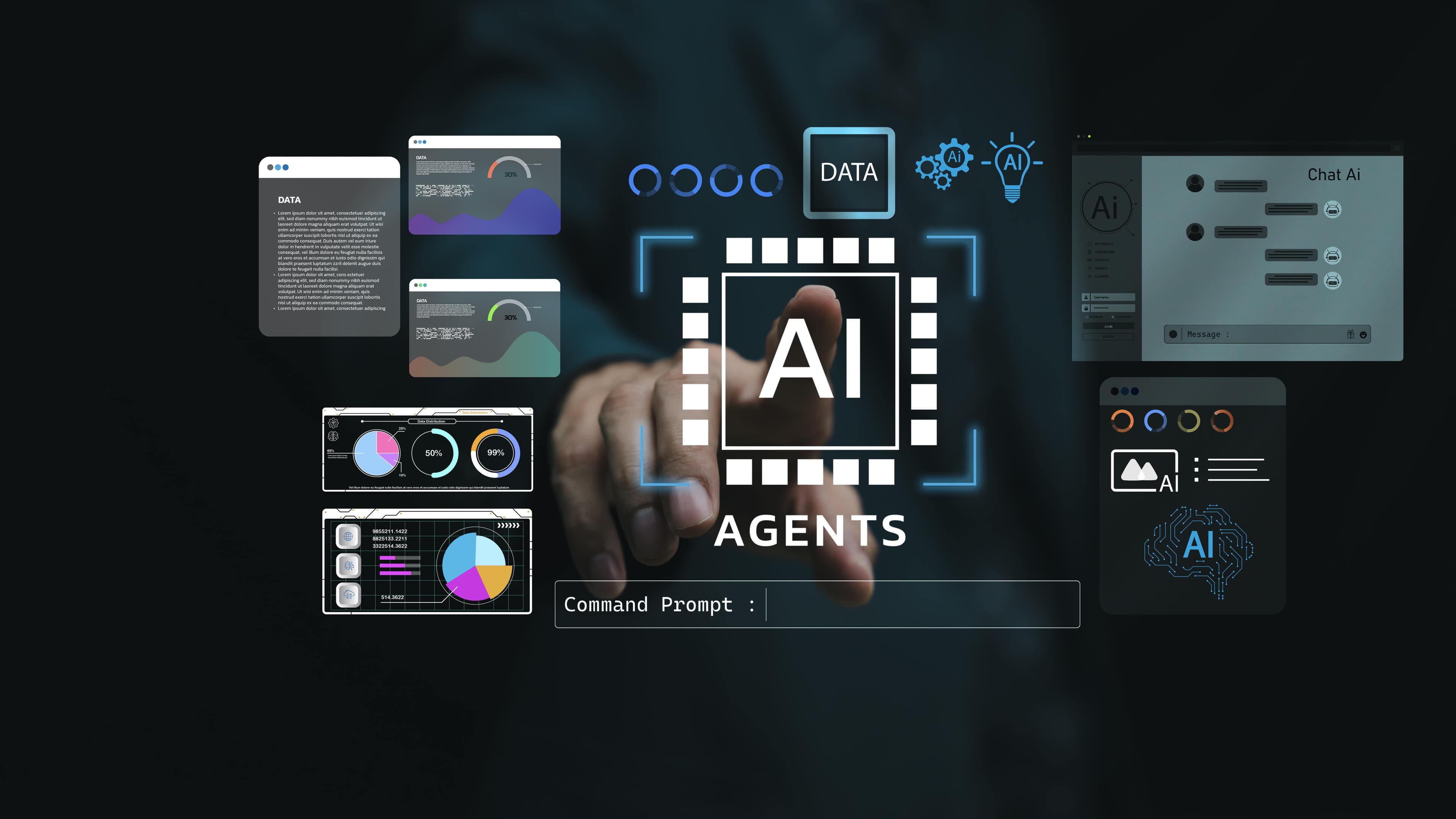
AI Agents sit in the middle
models are hidden behind the scenes
everything is wrapped into a smooth experience
You only see:
prompt → output
You don’t see:
which model is running
how deep the reasoning is
the real cost behind each request
This leads to a key consequence:
AI becomes a convenient black box instead of a controllable tool.
3 Types of AI Users (And Where Are You?)
1. Casual Users - “As long as it works”
They don’t care about:
which model
why it’s right or wrong
reliability
They only ask:
“Does it get the job done?”
For them:
AI = a smarter version of Google

2. Experienced Users - “They feel the difference”
They start noticing:
this model writes better code
that one writes better content
some are fast but make weird mistakes
But the problem:
they don’t know why
they can’t optimize when to use which
=> This is the largest group today.

3. Power Users - “They treat AI as a resource”
They don’t see AI as a tool.
They see it as:
CPU
RAM
or cloud resources
They understand:
which tasks need strong models
which only need lightweight ones
trade-offs between cost - speed - quality
Examples:
Simple CRUD → lightweight model
Debugging race conditions → strong model
SEO content → another model
For them:
AI is not an assistant - it’s leverage

The Core Problem: AI Agents Hide the Differences
AI Agents are convenient.
But they come with a side effect:
They make all models look the same.
You no longer see:
why an output is good
why an output fails
which model is actually worth the cost
You only see:
“This works / This doesn’t”
Why This Matters
Because once AI becomes “baseline”:
Average users → average output
System thinkers → superior output
The difference is no longer:
whether you use AI or not
It becomes:
how well you understand it
An Uncomfortable Truth (But It Needs To Be Said)
Right now, many people:
- think they are “good at AI”
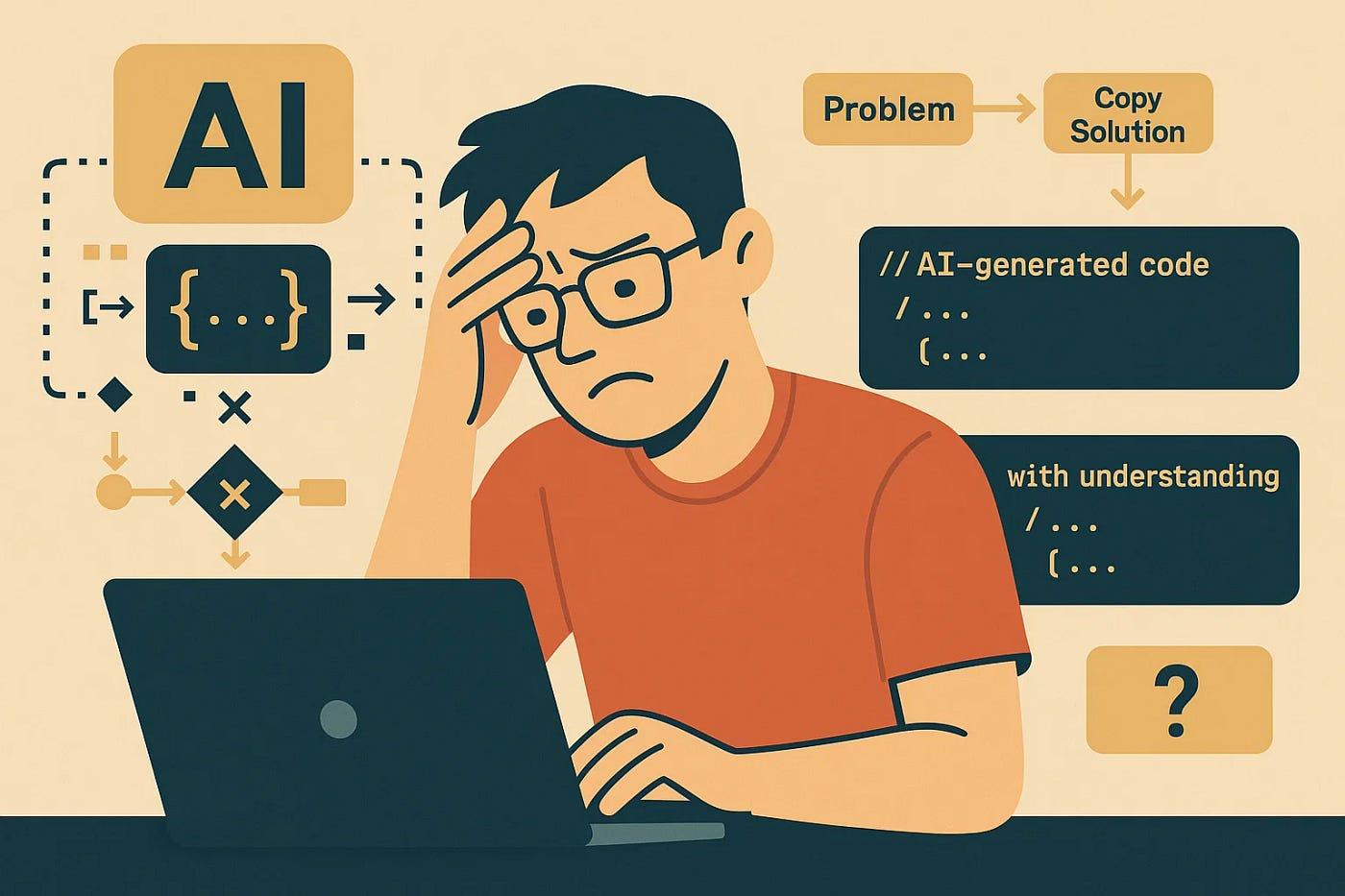
- but are actually just “good at prompting”
That’s not wrong - but it’s not enough.
Because:
- Prompting is just the interface, not the engine
If you don’t understand:
- when models fail
- why hallucination happens
- how to break tasks down
You will eventually hit a ceiling.

So What Should You Do?
If you are a developer or building products:
Don’t just:
use AI to save time
Instead:
treat it as a system
understand different task types
match the right model to the right job
A simple way to think about it:
Repetitive, clear tasks → lightweight models
Deep reasoning tasks → strong models
Consistency-critical tasks → control context
Conclusion

AI does not make everyone equal.
In fact:
AI increases the gap between people who understand systems and those who only use tools.
The real question is:
Do you want to stop at “using AI”…
or build a real advantage from it?